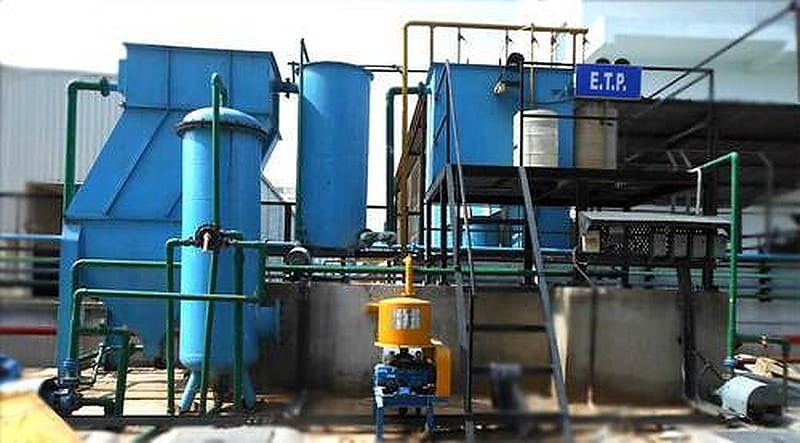
Effluent Treatment Plant (ETP) & Sewage Treatment Plant (STP)
Effluent Treatment Plant (ETP)
Overview
An Effluent
Treatment Plant (ETP) is a critical solution for managing industrial
wastewater. It is designed to remove harmful contaminants from effluents
generated by industries before discharging them into the environment. ETPs
ensure compliance with environmental regulations and help protect water bodies
from pollution.
Why
ETPs Are Important
Industrial
processes often produce wastewater that contains high levels of chemicals,
heavy metals, oils, grease, toxic substances, and other pollutants. If not
treated properly, this wastewater can severely damage ecosystems, harm human
health, and lead to legal penalties.
An
effective ETP:
- Reduces environmental pollution
- Meets government discharge
standards
- Enhances sustainability and
corporate responsibility
- Enables water recycling and
reuse within the facility
Key
Processes in ETPs
Effluent
treatment involves several stages, depending on the nature and volume of the
wastewater:
- Preliminary Treatment
- Removal of large solids, grit,
and debris
- Equalization and pH adjustment
- Primary Treatment
- Sedimentation to separate
suspended solids
- Oil and grease removal
- Secondary Treatment (Biological
Treatment)
- Use of microorganisms to break
down organic matter
- Technologies: Activated Sludge
Process, MBBR, SBR, etc.
- Tertiary Treatment (Advanced
Treatment)
- Removal of residual chemicals,
nutrients, and pathogens
- Methods: Filtration, UV
treatment, Reverse Osmosis
- Sludge Handling
- Dewatering and safe disposal
of solid waste generated during treatment
Applications
of ETPs
Effluent
Treatment Plants are widely used in industries such as:
- Pharmaceuticals
- Textiles and Dyeing
- Food and Beverage
- Chemicals and Petrochemicals
- Paper and Pulp
- Leather and Tanneries
- Metal Processing and
Electroplating
Our
ETP Solutions
We
offer customized ETP design, installation, and maintenance services tailored to
your industry’s specific needs. Our solutions ensure:
- Efficient pollutant removal
- Compact and modular plant
design
- Energy-efficient operation
- Long-term compliance and low
operating costs
Why
Choose Us?
- Expert engineering team with
years of experience
- Turnkey project execution
- High-quality components and
technology
- Ongoing support and AMC (Annual
Maintenance Contracts)
Sewage Treatment Plant (STP)
What is a Sewage
Treatment Plant?
A Sewage Treatment Plant (STP) is an
essential facility designed to treat and purify wastewater generated from
residential, commercial, and industrial sources. The primary goal of an STP is
to remove contaminants, harmful bacteria, and pollutants from sewage before
releasing the treated water back into the environment or for reuse in various
non-potable applications.
Why is Sewage
Treatment Important?
Without
proper treatment, sewage can pollute natural water bodies, spread disease, and
harm ecosystems. STPs play a crucial role in:
- Protecting public health
- Preserving the environment
- Conserving water through
recycling
- Complying with environmental
regulations
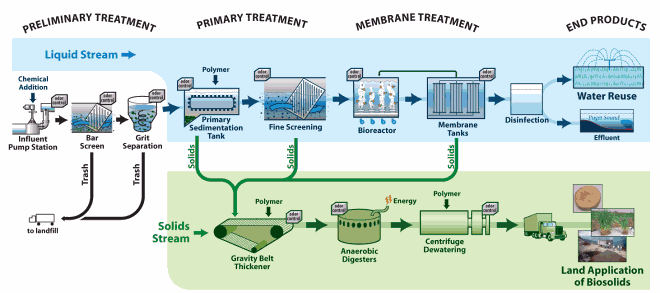
How Does an STP Work?
A typical
STP works in multiple stages:
1.
Preliminary
Treatment
Removes
large solids like plastics, rags, and grit through screening and grit chambers.
2.
Primary
Treatment
Allows
heavy solids to settle at the bottom while oil and grease rise to the top. This
stage removes about 60% of suspended solids.
3.
Secondary
Treatment (Biological Treatment)
Uses
biological processes (usually bacteria) to break down organic matter. Common
methods include Activated Sludge Process (ASP), Moving Bed Biofilm Reactor
(MBBR), or Sequential Batch Reactor (SBR).
4.
Tertiary
Treatment (Advanced Treatment)
Further
polishes the treated water by removing nutrients, pathogens, and remaining
impurities. This can include filtration, disinfection (UV or chlorination), and
chemical treatment.
5.
Sludge
Treatment
The solid
waste collected during treatment is processed, dewatered, and either disposed
of safely or reused (e.g., as fertilizer).
Features of Our STP
Systems
- Compact &
Modular Design – Easy to install and maintain
- Eco-friendly
Operation
– Minimal environmental impact
- Low Power
Consumption
– Energy-efficient technology
- Automated
Systems
– Reduces manpower requirements
- Customizable
Capacity
– Suitable for small to large-scale projects
Applications
Our
sewage treatment plants are ideal for:
- Residential apartments and
housing societies
- Commercial complexes, malls,
and office buildings
- Hospitals and hotels
- Educational institutions
- Industrial units
Let’s Build a
Sustainable Future Together
Our
state-of-the-art Sewage Treatment Plants help clients reduce their
environmental footprint, comply with legal norms, and promote water
conservation. Whether you need a standard STP solution or a customized setup,
we’ve got you covered.
Contact
us today to learn more
or request a quote.